

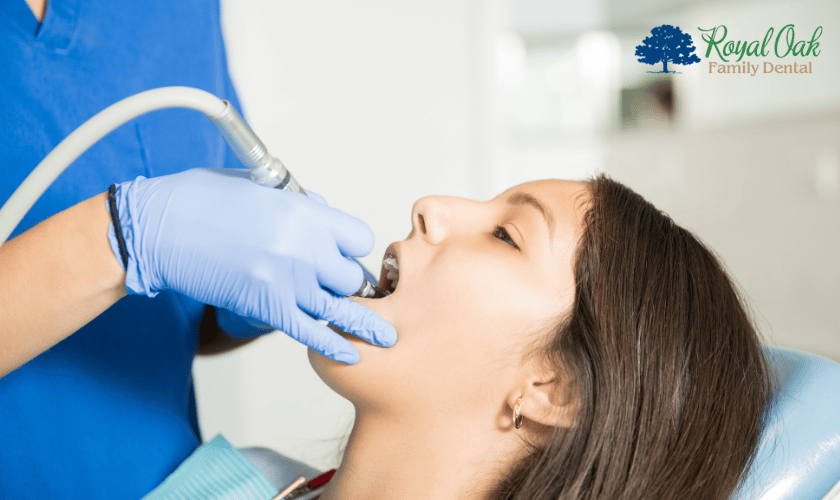
A dental cleaning is a simple, routine procedure that helps to remove plaque and tartar from your teeth. Plaque is a sticky film of bacteria that constantly forms on your teeth, and tartar is plaque that has hardened onto the surface of your teeth. Over time, plaque and tartar can lead to tooth decay and gum disease. A dental cleaning can help to prevent these problems by removing the plaque and tartar from your teeth.
During a dental cleaning, a dentist or dental hygienist will use special instruments to scrape away the plaque and tartar from your teeth. They will also floss your teeth and polish them with special toothpaste. A dental cleaning is usually painless, although you may feel some discomfort when the instruments scrape away the plaque and tartar from your teeth.
After a dental cleaning, brush and floss your teeth regularly to help prevent plaque and tartar from building up again. You should also see a dentist or dental hygienist for regular checkups so that they can catch any problems early on.
Your dental cleaning appointment will last anywhere from 30 minutes to an hour. During this time, your dentist or hygienist will:
Remove any plaque and tartar from your teeth.
Polish your teeth
Floss your teeth
Apply a fluoride treatment to help prevent cavities.
In some cases, your dentist may also take X-rays of your teeth.
The American Dental Association (ADA) recommends that patients visit the dentist every six months for a professional teeth cleaning. During this appointment, a dental hygienist will remove any plaque and tartar from your teeth using special instruments. They will also polish your teeth and provide you with thorough flossing.
There are many benefits to getting professional teeth cleanings on a regular basis. First, it helps to prevent gum disease. Gum disease is an infection of the gums that can lead to tooth loss if it is not treated properly. Professional teeth cleanings can remove the bacteria that cause gum disease, which helps to keep your gums healthy.
Second, professional teeth cleanings can help to prevent cavities. Cavities are caused by plaque buildup on your teeth. When plaque is not removed, it can harden and turn into tartar. Tartar can then eat away at your tooth enamel, causing cavities. Professional teeth cleanings remove plaque and tartar before they have a chance to cause cavities.
Third, professional teeth cleanings can help to brighten your smile. Over time, our teeth can become stained from coffee, tea, or red wine. Professional teeth cleanings remove these surface stains, leaving you with a brighter smile.
Fourth, professional teeth cleanings can help to improve your overall oral health. Good oral health is important for overall health and well-being.
If you're like most people, you probably don't look forward to dental cleanings. But there's no need to worry! Dental cleanings are quick, painless, and essential for keeping your teeth and gums healthy. Here's what you can expect from your next dental cleaning appointment:
First, your dentist or dental hygienist will remove any plaque and tartar from your teeth. Plaque is a sticky film of bacteria that forms on your teeth, and tartar is hardened plaque. If plaque and tartar are not removed, they can lead to tooth decay and gum disease.
Next, your dentist will use a special tool to floss between your teeth. This helps remove any food particles or plaque that may be stuck in hard-to-reach places.
Finally, your dentist will polish your teeth with a gritty paste. This removes any remaining plaque and makes your teeth extra shiny!
Dental cleanings are an important part of maintaining good oral health. So don't be afraid to schedule an appointment with your dentist today.
After a dental cleaning appointment, you can expect your teeth to feel clean and smooth. Your gums may be slightly tender for a day or two, but this is normal and will resolve on its own. You should avoid eating hard or crunchy foods for the first 24 hours after your cleaning to give your gums time to heal. If you have any questions or concerns about your dental health, be sure to talk to your dentist.
Your oral health is important to us, and we want to ensure that you take the necessary steps to maintain it between dental cleanings. Here are a few tips:
-Brush your teeth at least twice daily for two minutes with fluoride toothpaste.
-Floss once a day.
-Eat a healthy diet and avoid sugary drinks.
-Visit your dentist regularly for checkups and cleanings.
Dental cleanings are an important part of maintaining your oral health. Understanding what to expect from a dental cleaning appointment will help you feel more comfortable and prepared for the process. By following these steps, you can ensure that your visit is as smooth and successful as possible. With regular visits to the dentist, you can maintain your oral health and keep your smile looking great for years to come!
A: The American Dental Association recommends getting a dental cleaning every 6 months. However, depending on your specific oral health needs, you may need more frequent visits.
A: During a dental cleaning appointment, your dentist or dental hygienist will remove plaque and tartar from your teeth, polish your teeth, and floss your teeth. They may also take X-rays to check for cavities or other dental issues.
A: No, a dental cleaning appointment should not hurt. Your dentist or dental hygienist will work carefully and gently to ensure your experience is as comfortable as possible.