Good oral hygiene is essential for maintaining healthy teeth and gums, as well as overall well-being. However, neglecting your dental care routine can lead to a variety of oral health issues. Recognizing the signs of poor oral hygiene early can help prevent serious dental problems, ensuring that you maintain a healthy and confident smile.
Common Signs of Poor Oral Hygiene
- Bad Breath (Halitosis) One of the earliest and most noticeable signs of poor oral hygiene is persistent bad breath or halitosis. When food particles and bacteria accumulate in the mouth, they release sulfur compounds, which can cause a foul odor. Poor brushing and flossing habits allow these particles to linger, leading to chronic bad breath.
- Plaque and Tartar Buildup Plaque is a sticky film of bacteria that forms on your teeth and gums after eating. If not removed by regular brushing and flossing, plaque hardens into tartar, which can only be removed by a dentist. Plaque buildup is one of the most visible signs of poor oral hygiene and can contribute to cavities and gum disease.
- Bleeding Gums Healthy gums should not bleed during brushing or flossing. If you notice your gums bleeding regularly, it could be an indication of gingivitis, the early stage of gum disease. Gingivitis occurs when plaque and bacteria irritate the gums, causing inflammation, redness, and bleeding.
- Tooth Decay and Cavities Tooth decay is one of the clearest signs of poor oral hygiene. When plaque remains on your teeth, the acids produced by bacteria begin to erode the enamel, leading to cavities. Untreated cavities can cause pain, sensitivity, and, in severe cases, tooth loss.
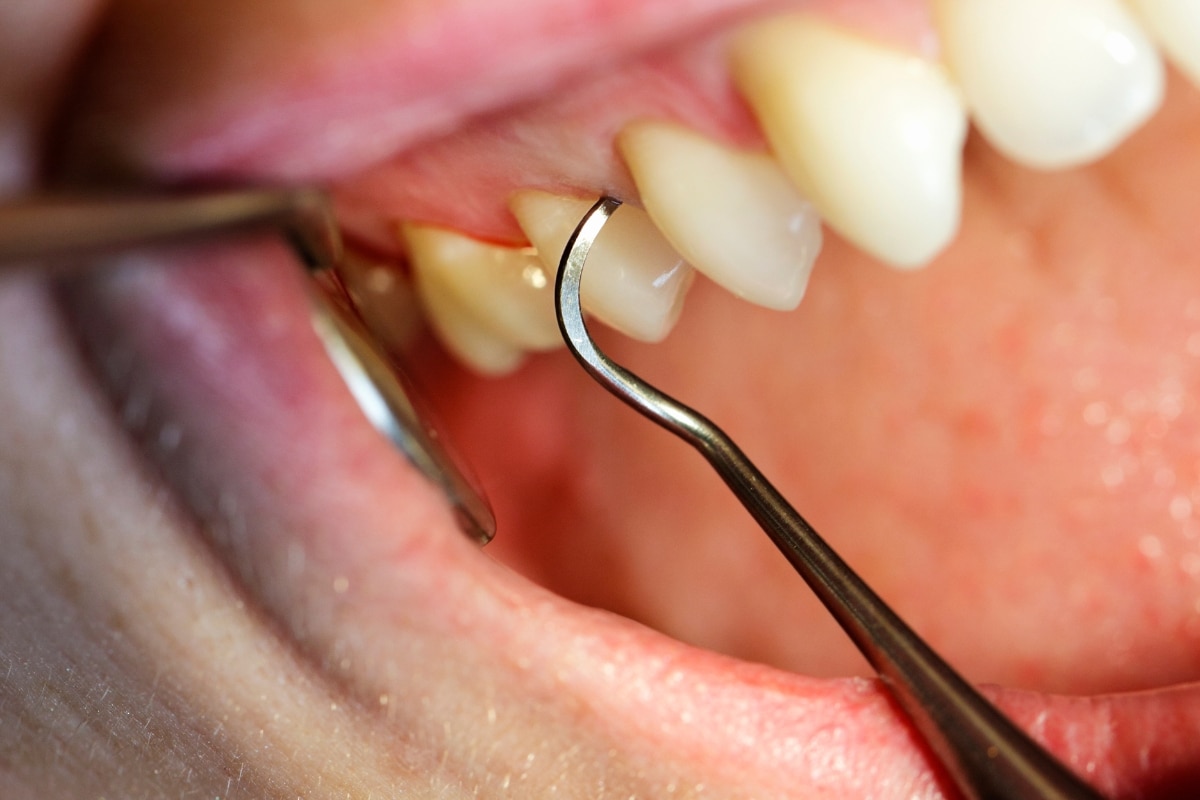
- Gum Recession Gum recession occurs when the gum tissue surrounding the teeth begins to wear away, exposing more of the tooth or even the tooth's root. This condition is often caused by poor oral hygiene, such as inadequate brushing, aggressive brushing, or neglecting gum health. Gum recession can lead to tooth sensitivity and an increased risk of decay and infection.
- Tooth Sensitivity If you experience sharp pain or discomfort when consuming hot, cold, sweet, or acidic foods, it may be a sign of poor oral hygiene. Tooth sensitivity can result from weakened enamel, gum recession, or untreated cavities, all of which stem from inadequate dental care.
- Stained or Discolored Teeth Stained or yellow teeth are another indication of poor oral hygiene. Over time, food, drinks, and tobacco use can cause teeth to become discolored. Regular brushing, flossing, and dental cleanings help prevent surface stains and keep your teeth looking bright.
The Consequences of Poor Oral Hygiene
Neglecting oral hygiene not only leads to visible signs but also increases the risk of serious dental and overall health problems:
- Periodontal Disease (Gum Disease): Untreated gingivitis can progress into periodontal disease, causing the gums to pull away from the teeth, bone loss, and eventually tooth loss.
- Tooth Loss: Poor oral hygiene can result in the weakening of teeth, leading to decay, cavities, and, ultimately, tooth loss.
- Infections: Bacterial infections like abscesses can form if tooth decay or gum disease is left untreated, potentially spreading to other parts of the body.
- Impact on Overall Health: Studies have shown a connection between poor oral hygiene and systemic health issues such as heart disease, diabetes, and respiratory infections.
How to Improve Oral Hygiene
Improving oral hygiene is key to reversing the early signs of dental issues and maintaining long-term health. Here are some essential steps to enhance your oral care routine:
- Brush Twice a Day: Use fluoride toothpaste and brush for two minutes twice a day to remove plaque and food particles.
- Floss Daily: Flossing helps remove debris and plaque from areas between your teeth that brushing may miss.
- Rinse with Mouthwash: Antibacterial mouthwash can help reduce bacteria in your mouth and freshen your breath.
- Visit Your Dentist Regularly: Schedule dental checkups for teeth cleaning and prevention every six months to catch potential problems early and keep your teeth and gums in good shape.
Recognizing the signs of poor oral hygiene is crucial for preventing more serious dental issues. Paying attention to symptoms like bad breath, plaque buildup, and bleeding gums can prompt you to take action before problems escalate. By maintaining a consistent oral care routine and visiting your dentist regularly, you can avoid the most common signs of poor oral hygiene and enjoy a healthier smile for years to come.