

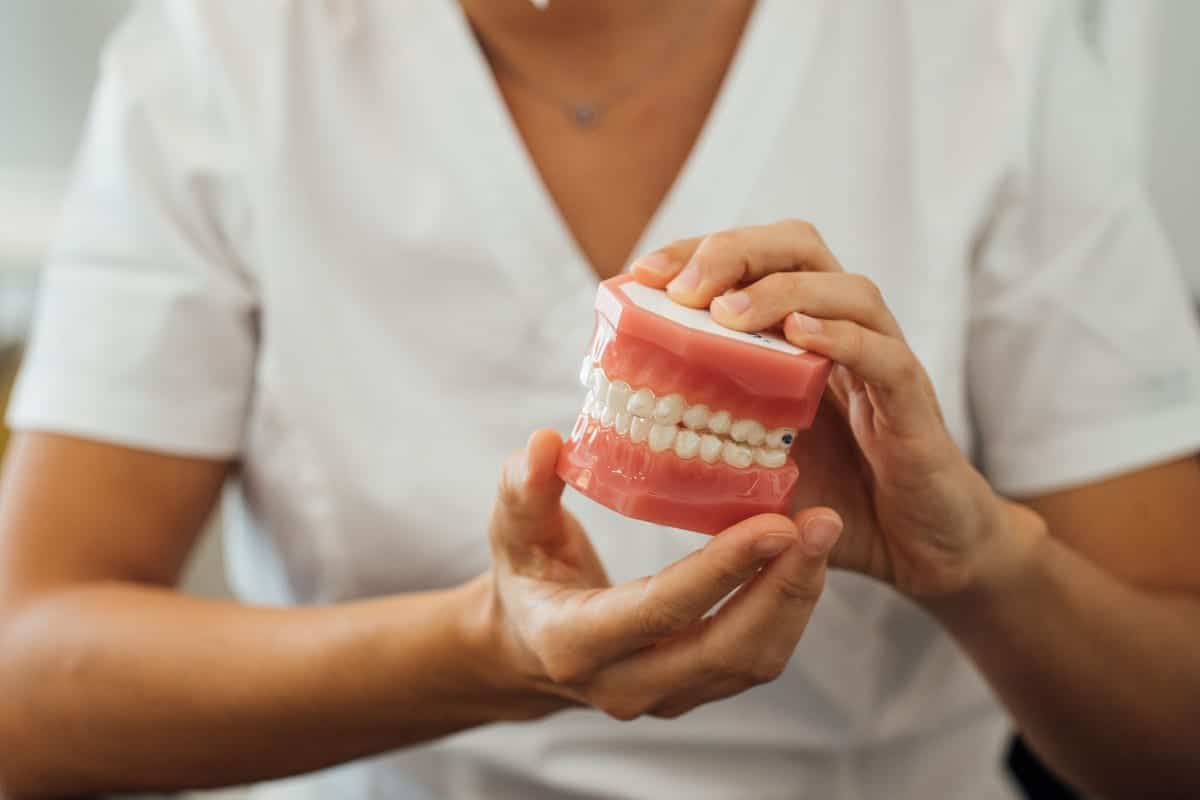
If you've been wondering why your dentures don't fit like they used to in Oklahoma City, you're not alone. Many denture wearers notice gradual changes over time. Your dentures may slip when you speak or feel loose while eating. Understanding why this happens is the first step toward a better fit.
At Royal Oak Family Dental of Oklahoma City, Dr. Kandar sees this concern often. The good news is that solutions exist. This article explains the science behind changing denture fit and walks you through your options.
The primary reason dentures stop fitting well is bone resorption. When teeth are removed, the jawbone no longer receives stimulation from tooth roots. Without that stimulation, the body begins to absorb the bone tissue. This process is natural, but it changes the shape of your jaw significantly.
Bone resorption happens gradually over months and years. In the first year after tooth loss, resorption is fastest. After that, it slows but never fully stops. The result is a jaw ridge that becomes flatter and narrower over time.
Your dentures were crafted to match your jaw at a specific moment. As your jaw shrinks and reshapes, the dentures no longer align properly. This mismatch causes slipping, soreness, and difficulty chewing. It can also affect how you speak and how confident you feel in social situations.
Many patients adapt to a poor fit without realizing it. They unconsciously change how they chew or avoid certain foods. These small adjustments can strain your jaw muscles and affect your nutrition. Recognizing the warning signs early makes a big difference.
Common signs of an ill-fitting denture include clicking sounds when you talk or chew. You might notice your dentures shifting when you laugh or yawn. Sore gums, irritated tissue, and difficulty biting are also red flags. Some patients experience headaches from the jaw strain caused by an improper fit.
If you recognize any of these symptoms, it is time to see Dr. Kandar. Waiting too long can make the fit worse and lead to greater discomfort. Early attention often means simpler and less costly solutions.
When dentures no longer fit well, three main treatment paths exist. Each option suits a different level of fit change. Dr. Kandar will evaluate your jaw and dentures to recommend the right approach.
Relining is the most common solution for mildly loose dentures. A new layer of material is added to the inner surface of the denture. This fills the gap between the denture and your changed jaw ridge. Relining restores a snug, comfortable fit without replacing the entire denture.
Rebasing goes a step further than relining. The entire base of the denture is replaced with new acrylic material. The existing teeth are preserved and reset into the new base. This option works well when the denture base is worn or damaged but the teeth are still in good shape.
Replacement becomes necessary when dentures are too old or too loose to reline or rebase. Most dentures last between five and ten years before replacement is needed. A new denture is custom-made to match your current jaw shape. This provides the best long-term comfort and function.
At Royal Oak Family Dental of Oklahoma City, every patient's situation is unique. Dr. Kandar begins with a thorough examination of your mouth and existing dentures. He assesses the degree of bone resorption and the condition of the denture itself. From there, he recommends a personalized treatment plan.
Some patients feel nervous about dental visits, especially if their mouth has been sore for a while. Our team offers a calming, judgment-free environment. If dental anxiety is a concern, ask about Laughing Gas Oklahoma City options available at our practice. Comfort is always a priority for our team.
Many patients also wonder about their overall smile health during a denture consultation. If you have remaining natural teeth, you might be interested in brightening them. Ask about Teeth Whitening Oklahoma City during your visit. A confident smile goes beyond just a well-fitting denture.
Dr. Kandar also discusses long-term options for patients with significant bone loss. Dental implants can help preserve jawbone and support more stable prosthetics. This can reduce the cycle of repeated relining and replacement over the years.
Your first step is scheduling a denture evaluation with Dr. Kandar. The appointment is straightforward and typically takes about an hour. You will not need to prepare anything special in advance.
During the visit, Dr. Kandar will examine your gum tissue and jaw ridge carefully. He will assess your current dentures for wear, cracks, and overall condition. Digital imaging may be used to evaluate bone levels beneath the gum line. This gives a clear picture of how much resorption has occurred.
After the evaluation, Dr. Kandar will explain your options clearly and answer your questions. He uses plain language so you fully understand each choice. There is no pressure to proceed with any treatment immediately. The goal is to help you make an informed decision that fits your life.
Most dental professionals recommend having your dentures evaluated every one to two years. Relining may be needed every two to three years depending on how quickly your jawbone changes. Full replacement is typically recommended every five to ten years. Regular check-ups with Dr. Kandar help catch fit problems early.
Denture adhesive can provide temporary relief from mild looseness. However, it is not a long-term solution for a poorly fitting denture. Relying on adhesive for too long can mask worsening bone resorption. It is better to have the fit professionally evaluated and corrected.
Yes, the rate of bone resorption varies between individuals. Factors such as age, overall health, diet, and how long you have worn dentures all play a role. Some patients experience significant jaw changes within a few years. Regular monitoring by your dentist helps manage these changes effectively.
Dental implants can be an excellent long-term option for eligible patients. They stimulate the jawbone the way natural tooth roots do, which slows resorption. Implant-supported dentures are more stable and require fewer adjustments over time. Dr. Kandar can discuss whether implants are right for your situation during a consultation.
Ignoring a loose denture can lead to chronic gum irritation and painful sore spots. It can also accelerate bone loss and make future fitting more difficult. Difficulty chewing can affect your nutrition and overall health as well. Addressing fit problems early always leads to better outcomes.
If you have been living with uncomfortable or ill-fitting dentures, now is the time to get answers. Dr. Kandar and the team at Royal Oak Family Dental of Oklahoma City are here to help you eat, speak, and smile with confidence again. Book Now to schedule your appointment with our team.