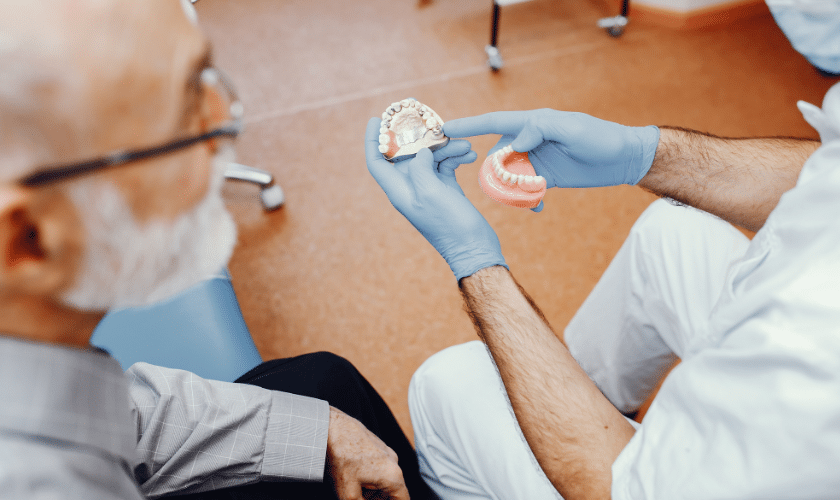
Welcome to our comprehensive guide on porcelain bridges, a fantastic dental restoration option to bring back your smile's natural beauty and functionality. If you've lost one or more teeth due to decay, injury, or other reasons, porcelain bridges can be an ideal solution. In this article, we'll explore what porcelain bridges are, their benefits, the procedure for getting them, maintenance tips, cost considerations, and more. So, let's dive in and discover how this can help you regain your confidence and enjoy a radiant smile.
What Are Porcelain Bridges?
Porcelain bridges are dental prosthetics used to replace missing teeth. They consist of two main components - the artificial teeth (pontics) that fill the gap and the crowns on each end that attach to the adjacent natural teeth or dental implants. These bridges are crafted from high-quality porcelain, known for its durability and natural appearance, making them blend seamlessly with your existing teeth.
Benefits:
They offer numerous advantages that go beyond just aesthetic improvements. Some key benefits include:
- Restoring Functionality: It allows you to eat and speak with ease, just like with your natural teeth. They help maintain proper biting and chewing forces, preventing strain on other teeth.
- Enhancing Your Smile: These bridges are designed to match the color, shape, and size of your natural teeth, enhancing your smile's overall appearance and boosting your self-confidence.
- Preventing Teeth Shifting: By filling the gap left by missing teeth, porcelain bridges prevent neighboring teeth from shifting or rotating, which could lead to dental misalignment.
- Longevity and Durability: When well-maintained, it can last for many years, offering a long-term solution for missing teeth.
The Procedure: How Porcelain Bridges Are Placed
The process of getting this typically involves several steps:
- Initial Consultation: During the first visit, your dentist will examine your oral health, assess your eligibility for this, and discuss the treatment plan.
- Teeth Preparation: The adjacent teeth that will support the bridge are prepared by removing a small amount of enamel to create space for the crowns.
- Impressions: Accurate impressions of your teeth are taken to create custom-made porcelain bridges that fit perfectly in your mouth.
- Temporary Bridge: While the permanent bridge is being fabricated in a dental lab, you'll be fitted with a temporary bridge to protect your exposed teeth.
- Fitting the Porcelain Bridge: Once the permanent bridge is ready, it will be checked for fit, comfort, and aesthetics. Your dentist will then cement it into place.
Factors To Consider Before Getting Porcelain Bridges
Before proceeding with this, there are some essential factors to consider:
- Dental Health: Your oral health should be in good condition before getting this. Any existing dental issues should be addressed before the procedure.
- Cost and Budget: Understanding the cost of the procedure and whether it fits your budget is crucial. Dental insurance coverage should also be checked.
- Long-Term Commitment: They are a long-term commitment, so it's essential to be confident in your decision.
Taking Care Of Your Porcelain Bridges
Proper maintenance is vital to extend the lifespan of your porcelain bridges:
- Brushing and Flossing: Regularly brush and floss your teeth, including the bridge, to prevent plaque buildup and maintain oral hygiene.
- Avoid Hard or Sticky Foods: Minimize exposure to hard or sticky foods that could potentially damage the bridge.
- Dental Check-ups: Schedule regular dental check-ups to ensure the bridge is in good condition and address any issues promptly.
Porcelain Bridges vs. Other Dental Restorations
Understanding how this compares to other dental restoration options can help you make an informed decision:
Porcelain Bridges vs. Dental Implants
While both options are effective, dental implants are surgically implanted into the jawbone, making them a more permanent solution. However, they are less invasive and more affordable.
Porcelain Bridges vs. Dentures
Dentures are removable appliances, while they are fixed in place. Bridges provide better stability and are less likely to shift during use.
They offer a remarkable solution for those seeking to restore their smiles and regain their confidence. These dental prosthetics not only fill the gaps left by missing teeth but also provide numerous benefits that go beyond aesthetics. From improving chewing and speaking abilities to preventing teeth from shifting, It plays a crucial role in maintaining oral health.