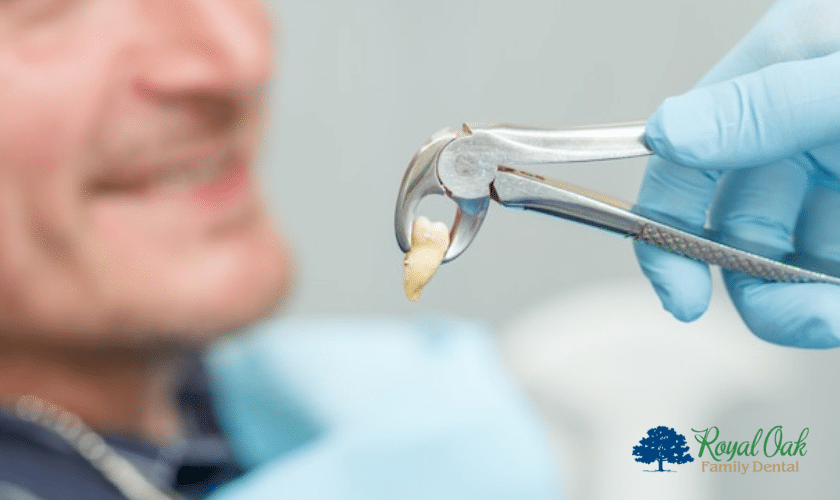
Are you feeling nervous about an upcoming tooth extraction? You're not alone. Many people experience anxiety and fear when it comes to dental procedures. However, with the right preparation and knowledge, you can feel confident and prepared for your appointment. In this blog post, we'll discuss 5 essential tips to help you prepare for a tooth extraction. From scheduling a check-up before your appointment to knowing what to expect during the procedure, we've got you covered. Read on to learn more.
Before Your Tooth Extraction Appointment: Schedule A Check-Up
Before your tooth extraction appointment, it's important to schedule a check-up with your dentist. This will allow them to examine the area and determine if any potential complications could arise during the extraction process.
During your check-up, be sure to inform your dentist of any medications you're currently taking or medical conditions that may affect the procedure. They may advise you to stop taking certain medications before the extraction or provide additional instructions based on your individual needs.
It's also a good idea to discuss pain management options with your dentist before the appointment. They can give you an idea of what to expect in terms of discomfort and recommend appropriate pain relief methods such as over-the-counter medication or prescription painkillers.
In addition, scheduling a check-up beforehand allows you to ask any questions or address concerns about the procedure. Your dentist can explain each step of the process and help put your mind at ease.
Scheduling a pre-extraction check-up is an essential step in ensuring a successful and safe tooth extraction experience.
The Day Of Your Tooth Extraction: Eat A Good Breakfast And Take Your Medications
The day of your
tooth extraction treatment can be nerve-wracking, but there are a few things you can do to make the experience less stressful. Firstly, it's important to eat a good breakfast before your appointment. This will help ensure that you have enough energy and won't feel faint or light-headed during the procedure.
When choosing what to eat for breakfast, avoid anything too hot or cold as this could cause discomfort after the extraction. Instead, opt for soft foods that are easy to chew such as oatmeal or scrambled eggs.
It's also essential that you take any medications prescribed by your dentist before the procedure. This may include antibiotics or painkillers which will help minimize any discomfort during and after the extraction.
Before leaving for your appointment, make sure you have taken all necessary medications according to instructions given by your dentist. Failure in taking these medications properly might hinder the healing process and lead to more complications.
Preparing yourself on the day of your tooth extraction is key to ensuring a smooth and successful procedure. By eating well and taking medication beforehand, you'll be better equipped both physically and mentally for what lies ahead.
What To Expect During The Procedure
During a tooth extraction, the dentist or oral surgeon will numb the area around your tooth with a local anesthetic. You may also receive sedation to help you relax during the procedure.
Once you're numb and comfortable, the dentist will use special tools to loosen your tooth from its socket in the jawbone. Depending on how difficult it is to remove your tooth, they may need to make small incisions in your gum tissue or break the tooth into pieces for easier removal.
You'll feel pressure and movement as your dentist works on removing your tooth, but you shouldn't feel any pain. If at any point during the procedure, you experience discomfort or pain, let your dental professional know right away so that they can adjust their technique and ensure that you remain comfortable throughout.
After your tooth has been removed, gauze will be placed over the extraction site to help stop bleeding and promote healing. Your dentist may also give you instructions for caring for yourself at home after surgery such as icing the area intermittently and avoiding certain foods for some time.
While undergoing a dental extraction might seem daunting at first glance; understanding what happens during each step of this process can provide reassurance about what’s happening inside one's mouth.
Recovery After A Tooth Extraction: Follow These Instructions
After tooth extraction, proper recovery is crucial to avoid complications and ensure healing. Here are some essential instructions to follow:
Firstly, bite on the gauze pad provided by your dentist for at least 30-45 minutes after the procedure. This will help stop bleeding and promote clotting.
Once home, rest and avoid any strenuous activities for at least 24 hours. You should also avoid smoking or using a straw as it can dislodge the blood clot.
To
reduce gum swelling, apply an ice pack or cold compress to the affected area in intervals of 20 minutes on and off for the first day.
It’s important not to rinse your mouth vigorously or brush near the extraction site until advised by your dentist as this can disrupt healing.
For pain management, take prescribed medication according to instructions given by your dentist. Over-the-counter pain relief may also be used but only if recommended by your dentist.
Eat soft foods like soup or pudding that don’t require much chewing during the first few days post-extraction. Avoid hot drinks and spicy food too.
By following these simple guidelines you can expect a smooth post-operative experience with minimal discomfort while ensuring the successful healing of tissues around where the tooth was extracted from.
When To Call The Dentist After An Extraction
After tooth extraction, it's common to experience some discomfort and swelling. However, if you notice any unusual symptoms or complications during the recovery process, it's important to contact your dentist right away.
One of the most common issues after an extraction is bleeding. Some mild bleeding is normal for the first 24 hours, but if you experience heavy bleeding that persists for more than a few hours, make sure to call your dentist immediately.
Another potential complication is infection. Signs of infection include fever, chills, redness around the extraction site, and pus or drainage from the area. If you notice any of these symptoms after your procedure, don't hesitate to reach out to your dentist.
Other warning signs that require prompt attention include severe pain that doesn't respond to over-the-counter pain relievers and difficulty swallowing or breathing. These could be indicators of a more serious problem like nerve damage or airway obstruction.
Remember: while most extractions are routine procedures with minimal risks and complications when performed by a professional dentist; always trust yourself! If something feels off during your recovery period - even if it seems minor - don’t hesitate to give your dental office a call.
Finishing Off
By following the five essential tips we've outlined, you'll be well-prepared for a tooth extraction procedure and ensure that your recovery is as smooth and painless as possible. Remember to schedule a check-up before your appointment, eat a good breakfast on the day of the procedure, follow all instructions during recovery, and call your dentist if needed.
It's normal to feel nervous about having a tooth extracted, but with proper preparation and care afterward, it doesn't have to be a scary experience. Trust in your dental team to guide you through the process and take comfort in knowing that soon enough you'll have healed completely.
Remember that taking care of our teeth is an important part of overall health. Don't hesitate to talk with your dentist about any concerns or questions you may have regarding tooth extractions or any other dental procedures. With their help and guidance, you can maintain excellent oral health for years to come.