
Please ensure Javascript is enabled for purposes of website accessibility
New patients welcome! Extended hours!     Online Scheduling
How Many Days Should You Rest After Getting a Dental Implant?
July 04, 2024  |  Dental implants
should you rest after a dental implant

How Many Days Should You Rest After Getting a Dental Implant?

Dental implants are a popular and effective solution for replacing missing teeth. They offer a durable and aesthetically pleasing alternative to traditional dentures and bridges. However, the success of your dental implant procedure largely depends on how well you follow post-operative care instructions, including how much rest you need. In this comprehensive guide, we'll explore how many days you should rest after getting a dental implant, provide tips for a smooth recovery, and answer common questions related to the recovery process.

Understanding Dental Implants

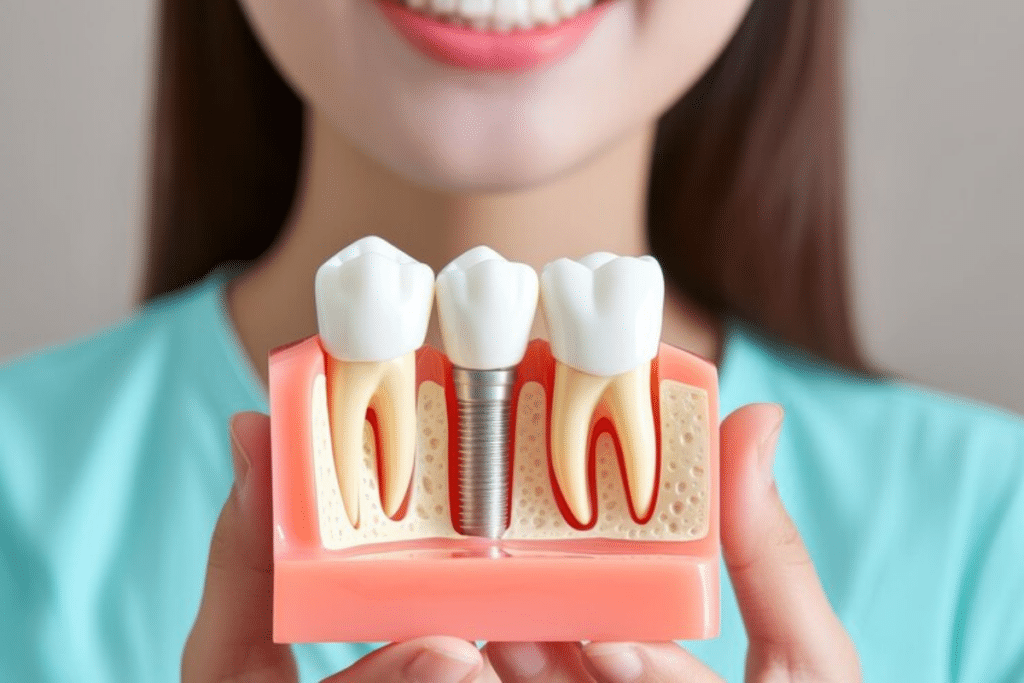
Before delving into rest and recovery, it's essential to understand what a dental implant is and the procedure involved. A dental implant is a small titanium post surgically inserted into the jawbone, where it acts as a replacement root for a missing tooth. After the implant is placed, a crown is attached to it, restoring the function and appearance of the missing tooth.

The implant process generally involves several stages:
  1. Initial Consultation: The dentist evaluates your oral health and plans the implant procedure.
  2. Implant Placement: The titanium post is inserted into the jawbone.
  3. Healing Period: The implant integrates with the bone, a process called osseointegration.
  4. Abutment Placement: A connector piece is attached to the implant.
  5. Crown Placement: The final crown is secured to the abutment.

Rest and Recovery: How Much is Needed?

Rest is a critical component of recovery after a dental implant procedure. Proper rest helps to minimize swelling, discomfort, and the risk of complications. The recovery timeline can vary from person to person, but there are general guidelines to follow.

The First 24-48 Hours

In the immediate aftermath of the procedure, the first 24-48 hours are crucial for your recovery. During this time:

  1. Rest: Avoid any strenuous activities. This includes heavy lifting, vigorous exercise, or any activity that might increase your heart rate and blood flow to the surgical site.
  2. Manage Pain and Swelling: Use prescribed pain medication and over-the-counter pain relievers as directed by your dentist. Applying an ice pack to the outside of your face can help reduce swelling.
  3. Follow Post-Operative Instructions: Adhere to any specific instructions provided by your dentist, including how to care for the surgical site and any dietary restrictions.

The First Week

For the first week following your dental implant procedure, you should continue to rest and take care of yourself:

  1. Limit Physical Activity: Gradually return to your regular activities, but avoid high-impact exercises or sports that could disturb the implant site.
  2. Maintain Oral Hygiene: Keep your mouth clean using gentle brushing and rinsing with an antibacterial mouthwash. Be careful around the implant site to avoid dislodging any sutures.
  3. Dietary Considerations: Stick to soft foods and avoid anything too hot, spicy, or hard that might irritate the surgical site.

The First Month

Most people can resume normal activities within a week, but full recovery and integration of the implant into the jawbone can take several months. During this period:

  1. Monitor Healing: Pay attention to any signs of complications, such as excessive pain, prolonged swelling, or signs of infection. Contact your dentist if you experience any unusual symptoms.
  2. Attend Follow-Up Appointments: Regular check-ups are essential to monitor the healing process and ensure the implant is integrating correctly with the bone.

Long-Term Care

Even after the initial recovery period, it's important to continue caring for your dental implant:

  1. Maintain Good Oral Hygiene: Regular brushing and flossing are essential to keep the area around the implant clean and free from plaque.
  2. Schedule Regular Dental Visits: Regular check-ups with your dentist will help ensure the long-term success of your implant.
  3. Avoid Bad Habits: Refrain from smoking and excessive alcohol consumption, as these can negatively impact oral health and healing.

Factors Influencing Recovery Time

Several factors can influence how many days you need to rest after getting a dental implant:

  1. Overall Health: Your general health and medical conditions can impact your recovery. People with chronic conditions like diabetes or those who are immunocompromised may require a longer healing period.
  2. Bone Quality and Quantity: The condition of your jawbone affects how quickly the implant integrates. If you have insufficient bone, you may need additional procedures like bone grafting, which can extend the recovery time.
  3. Surgical Complexity: The complexity of the implant procedure can influence recovery time. More complex cases, such as those involving multiple implants or bone grafts, may require a longer recovery period.

Signs of Complications

While most dental implant procedures go smoothly, it's important to be aware of potential complications. Signs that something might be wrong include:

  1. Severe or Prolonged Pain: Some discomfort is normal, but severe pain or pain that persists beyond a few days may indicate a problem.
  2. Excessive Swelling: Swelling should gradually decrease. If it worsens or doesn't subside, contact your dentist.
  3. Infection: Signs of infection include redness, warmth, and discharge at the implant site.
  4. Implant Movement: The implant should be securely integrated into the jawbone. If you notice any movement or instability, seek dental advice.

Resting adequately after getting a dental implant is essential for a successful recovery. While the initial rest period is crucial, following a gradual return to normal activities and maintaining good oral hygiene will support the long-term success of your implant. If you experience any unusual symptoms or have concerns about your recovery, don't hesitate to contact your dentist. With proper care and attention, your dental implant can provide you with a beautiful, functional smile for years to come.

FAQs About Dental Implant Recovery

1. Can I go back to work immediately after getting a dental implant?

Most people can return to work within a day or two, especially if their job doesn't involve physical labor. However, it's crucial to listen to your body and avoid strenuous activities.

2. How long does it take for the implant to fully integrate with the bone?

Osseointegration typically takes about 3 to 6 months. This period allows the implant to fuse with the jawbone, providing a stable foundation for the final crown.

3. Can I eat normally after getting a dental implant?

Initially, stick to soft foods and avoid chewing on the side of the implant. Gradually, you can return to your regular diet, but be cautious with hard or sticky foods that might affect the implant site.

4. Is it normal to experience swelling and bruising after the procedure?

Yes, some swelling and bruising are normal and should subside within a few days. Use ice packs and follow your dentist's recommendations to manage these symptoms.