

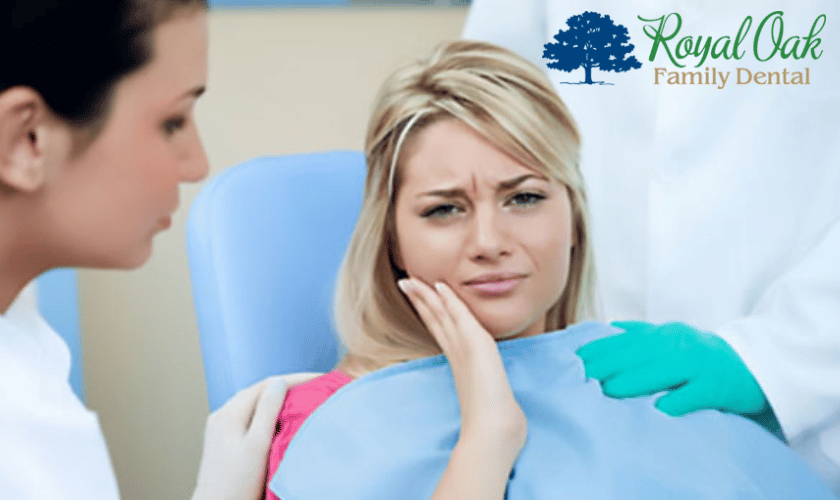
Do you ever wake up in the middle of the night with a sudden toothache or another emergency dental problem? If so, emergency dentistry might be something you’re familiar with. Emergency dentistry is specialized care that deals with any urgent dental condition requiring immediate attention. Fortunately, there are several ways to avoid emergency dentistry altogether by taking proactive steps to protect your teeth.
Here in this article, we'll cover the various causes of common dental emergencies and discuss how you can prevent them from occurring in the first place.
The best way to avoid emergency dentistry is to practice good oral hygiene. Brushing your teeth twice a day and flossing at least once daily can help remove plaque, bacteria, and food particles from your mouth before they cause any damage. Additionally, using an antibacterial rinse after brushing and flossing can kill off any bacteria in the mouth. It's also important to visit your dentist regularly for check-ups and cleanings. This will allow them to identify any potential problems with your teeth or gums that could lead to emergency dentistry down the road.
Brushing and flossing regularly is essential for good oral health. Brushing helps to remove any plaque or bacteria that have built up in the mouth, while flossing helps to clear away food particles stuck between the teeth and gums. For best results, brush for two minutes twice a day and floss at least once per day.
Antibacterial mouth rinses are a great way to kill off any remaining bacteria in the mouth. These rinses can also help reduce inflammation and protect against cavities and gum disease. Be sure to read your chosen product's label to ensure it contains an antibacterial agent before use.
Visiting your dentist regularly for check-ups and cleanings is essential for long-term oral health. During these visits, your dentist will be able to identify any potential problems with your teeth or gums that could lead to emergency dentistry down the road.
In addition to practising good oral hygiene, several bad habits can increase the risk of emergency dentistry. The best way to avoid emergency dentistry is by avoiding these behaviors altogether.
Using your teeth as tools, such as opening bottles or ripping open packages, can put a lot of strain on them and cause them to break or crack. This can lead to emergency dentistry if the damage is severe enough.
Chewing on hard objects, such as ice cubes, pencils, and candy can cause chips and cracks in your teeth. Additionally, chewing on items like these can also wear away at the enamel of your teeth making them more susceptible to decay.
Using tobacco products has been linked with an increased risk of gum disease, which can eventually lead to emergency dentistry if left untreated. It's best to avoid smoking or using smokeless tobacco altogether for your oral health.
Emergency dentistry is specialized care that deals with any urgent dental condition requiring immediate attention. Fortunately, emergency dentistry can be avoided by practising good oral hygiene and avoiding bad habits. Brushing twice a day and flossing at least once per day can help keep your mouth healthy and free from bacteria, while using an antibacterial rinse after brushing and flossing can kill off any remaining bacteria in the mouth. Additionally, visiting your dentist regularly for check-ups and cleanings will give them the opportunity to identify any potential problems with your teeth or gums that could lead to emergency dentistry down the road. It's also important to avoid using your teeth as tools, chewing hard objects, and using tobacco products in order to reduce the risk of emergency dentistry.
Answer: For optimal oral health, it's recommended to visit your dentist twice a year for check-ups and cleanings.
Answer: Emergency dentistry involves specialized care that deals with any urgent dental condition that requires immediate attention. Treatment options may include filling or replacing a tooth or repairing damaged gums.
Answer: The best way to avoid emergency dentistry is by practising good oral hygiene and avoiding bad habits like using your teeth as tools, chewing hard objects, and using tobacco products.