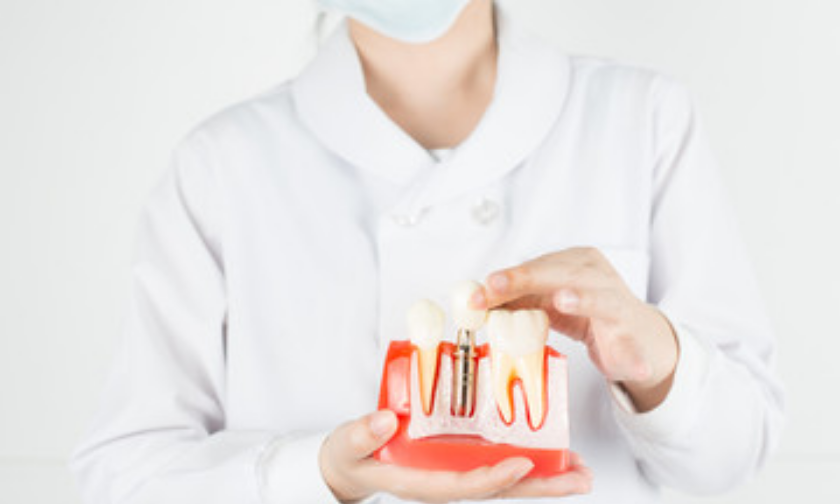
In the realm of modern dentistry, dental implants stand as revolutionary solutions for individuals grappling with tooth loss. Gone are the days when missing teeth meant compromising on aesthetics and functionality. Dental implants offer a robust and natural-looking alternative, mimicking the structure and feel of real teeth. As we delve into the intricacies of dental implants, this introduction serves as a gateway to understanding their significance, the transformative impact they have on oral health, and the profound change they bring to the lives of those seeking a permanent remedy for tooth loss.
Factors Affecting the Lifespan of Dental Implants
The longevity of dental implants is influenced by various factors, each playing a crucial role in determining the success and durability of these prosthetic replacements for missing teeth. Understanding these factors is essential for individuals considering or undergoing dental implant procedures. Let's delve into the key elements that can affect the lifespan of dental implants:
1. Osseointegration:
- Definition: Osseointegration is the process of the implant fusing with the jawbone.
- Impact: Successful osseointegration is fundamental to the stability and longevity of dental implants in Oklahoma City. Factors such as bone density, patient health, and proper surgical techniques contribute to this critical phase.
2. Oral Hygiene:
- Good Oral Care Practices:
- Regular brushing, flossing, and the use of antimicrobial mouthwash are vital.
- Impact: Maintaining excellent oral hygiene helps prevent infections around the implant, reducing the risk of complications that could compromise its longevity.
3. Overall Health:
- Medical Conditions:
- Conditions like diabetes or autoimmune disorders can impact healing.
- Impact: General health directly influences the success of dental implants. Patients with underlying health issues may require personalized care plans to ensure optimal outcomes.
4. Smoking and Tobacco Use:
- Harmful Effects:
- Tobacco use can impede healing and increase the risk of implant failure.
- Impact: Individuals who smoke or use tobacco products may experience a higher rate of complications, affecting the overall success and lifespan of dental implants.
5. Implant Quality:
- Type and Material:
- The quality of the implant, including its type and the materials used, is crucial.
- Impact: High-quality implants, typically made of titanium, have proven to be more durable and successful in the long term.
6. Bite Force and Teeth Grinding (Bruxism):
- Excessive Force:
- Heavy bite force or teeth grinding can strain implants and surrounding structures.
- Impact: Managing bruxism through night guards or other interventions is essential to prevent excessive stress on dental implants, thereby prolonging their lifespan.
7. Maintenance and Follow-up Care:
- Regular Check-ups:
- Routine dental check-ups and professional cleanings are crucial for monitoring implant health.
- Impact: Timely detection of any issues allows for prompt intervention, preventing complications that could affect implant longevity.
8. Age and Lifestyle:
- Age-related Factors:
- Bone density may decrease with age, affecting the success of osseointegration.
- Impact: Tailoring implant treatment plans to individual age-related considerations ensures optimal outcomes.
9. Implant Placement and Surgical Technique:
- Precision and Skill:
- The skill of the oral surgeon and the precision of implant placement are critical.
- Impact: Proper surgical techniques contribute to successful osseointegration and overall implant stability.
10. Diet and Nutrition:
- Nutrient Intake:
- A well-balanced diet supports overall health and healing.
- Impact: Proper nutrition aids in the recovery process and contributes to the long-term success of dental implants.
Average Lifespan of Dental Implants
The average lifespan of dental implants can vary based on several factors, and it's important to note that individual experiences may differ. However, when properly cared for and in suitable conditions, dental implants can provide a long-lasting and durable solution for missing teeth.
On average, dental implants have a success rate of around 95% to 98%. With advancements in implant technology, materials, and surgical techniques, many individuals enjoy the benefits of their dental implants for 20 years or more. It's not uncommon for implants to last a lifetime with proper maintenance and regular dental check-ups.
Advice for Keeping Dental Implants Healthy and Increasing Their Lifespan
Maintaining and extending the lifespan of dental implants requires a combination of good oral hygiene practices, regular professional care, and lifestyle considerations. Here are essential tips to ensure the longevity of your dental implants:
1. Commit to Excellent Oral Hygiene:
- Using fluoride toothpaste and a toothbrush with soft bristles, brush your teeth at least twice a day.
- Floss or use interdental brushes daily to clean between teeth and around the implant.
- Use an antimicrobial mouthwash to reduce bacteria and promote gum health.
2. Regular Dental Check-ups:
- Make routine appointments for professional cleanings and checkups at the dentist.
- Your dentist will monitor the health of your implants, identify potential issues early, and provide necessary interventions.
3. Avoid Tobacco Products:
- Smoking and tobacco use can contribute to implant failure and complications.
- Quitting smoking or using tobacco products significantly improves the chances of implant success and longevity.
4. Healthy Lifestyle Choices:
- Maintain a well-balanced diet rich in vitamins and minerals to support overall health.
- Stay hydrated to promote healing and oral health.
5. Protect Against Teeth Grinding (Bruxism):
- If you grind your teeth, consider using a night guard.
- Bruxism can exert excessive force on implants and natural teeth, leading to complications.
6. Address Dental Issues Promptly:
- Any signs of gum disease, infection, or discomfort around the implant should be addressed promptly.
- Timely intervention can prevent complications that may affect the lifespan of dental implants.
7. Follow Post-Operative Instructions:
- Adhere to any post-operative care instructions provided by your dental professional.
- This may include restrictions on certain foods, activities, or medications.
8. Bone Health Maintenance:
- Support bone health by ensuring an adequate intake of calcium and vitamin D.
- Consult with your healthcare provider about supplements if necessary.
9. Regularly Inspect the Implants:
- Be aware of any changes in how your implants feel or any unusual sensations.
- Notify your dentist if you notice any issues, such as pain, swelling, or changes in the appearance of your gums.
10. Attend Follow-up Appointments:
- Keep all of your planned follow-up appointments with your dentist.
- These appointments allow for the assessment of implant stability and overall oral health.
Common Misconceptions about Dental Implant Longevity
Dispelling common misconceptions about dental implant longevity is crucial for individuals considering or already undergoing implant procedures. Clarifying these myths helps set realistic expectations and ensures informed decision-making. Here are some common misconceptions about dental implant longevity:
1. Implants Last Forever:
- Misconception: Some individuals believe that dental implants, once placed, last indefinitely without any need for maintenance or potential issues.
- Reality: While dental implants are durable and can last a long time, they may require maintenance or replacement after several decades. Regular check-ups and proper care are essential for their continued success.
2. Pain Indicates Implant Failure:
- Misconception: Persistent pain around the implant is often interpreted as a sign of implant failure.
- Reality: Discomfort immediately after the procedure is normal, but persistent or severe pain may indicate an issue that needs attention. Regular dental check-ups help identify and address any concerns.
3. Implants Are Not Subject to Decay:
- Misconception: Since implants are artificial, some believe they are immune to issues like decay.
- Reality: While implants themselves do not decay, maintaining good oral hygiene is crucial to preventing gum disease and maintaining the health of surrounding tissues.
4. Implants Cannot Get Infected:
- Misconception: Some individuals think that implants are impervious to infections.
- Reality: Implants can be susceptible to infections, especially if oral hygiene is neglected. Infections around implants, if left untreated, can compromise their stability.
5. The Presence of Pain Means Immediate Implant Failure:
- Misconception: Feeling pain immediately after the implant surgery is perceived as a sign of failure.
- Reality: Postoperative pain is normal and expected. It is usually managed with prescribed medications and diminishes as the healing progresses.
6. Implants Are Not Affected by Lifestyle Choices:
- Misconception: Some believe that lifestyle choices, such as smoking or excessive alcohol consumption, do not impact the success of dental implants.
- Reality: Smoking and excessive alcohol intake can hinder the healing process, increase the risk of complications, and compromise the longevity of dental implants.
7. Dental Implants Are Unbreakable:
- Misconception: Patients may believe that dental implants are impervious to damage.
- Reality: While implants are designed to be durable, they can still be subject to wear and tear. Avoiding habits like teeth grinding and using the teeth as tools helps prevent damage.
8. Implants Require Minimal Care:
- Misconception: Some individuals think that once implants are in place, minimal oral care is necessary.
- Reality: Implants require the same level of care as natural teeth. Regular brushing, flossing, and professional cleanings are essential for maintaining their health.
9. Implant Success Guarantees No Future Issues:
- Misconception: A successful implantation is perceived as a guarantee against future problems.
- Reality: Regular follow-up care is essential to monitor the implant's health. Complications can arise even after a successful implantation if proper care is not maintained.
10. Implants Feel Unnatural:
- Misconception: Some individuals believe that dental implants will feel unnatural or uncomfortable.
- Reality: Implants are designed to closely mimic natural teeth in both appearance and function. Patients often find them to be indistinguishable from their natural teeth
Understanding the lifespan of dental implants empowers individuals to make informed decisions about their oral health. By addressing key factors influencing longevity, adopting excellent oral hygiene practices, and dispelling common misconceptions, individuals can enjoy the benefits of dental implants for decades. With a commitment to regular dental care and a healthy lifestyle, dental implants can provide a lasting and natural-looking solution for missing teeth.