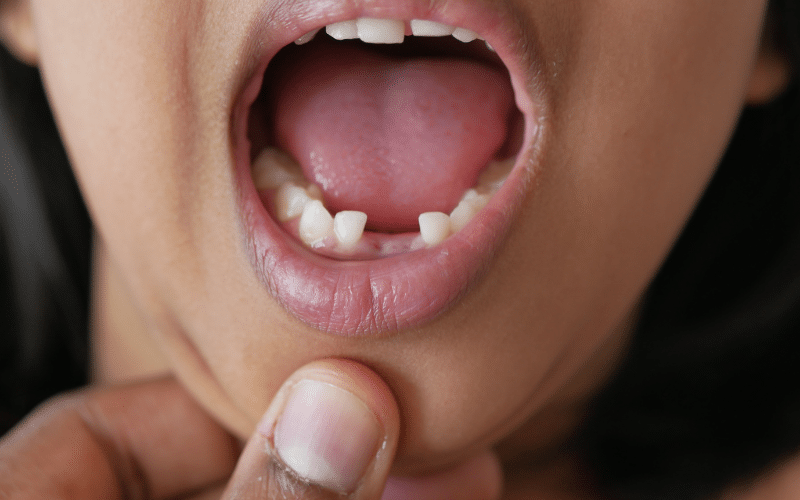
A chipped tooth can be a nuisance, but a knocked-out tooth is a dental emergency. Time is critical in these situations, and knowing how to react quickly can make a significant difference in the chances of saving your tooth. This blog post will guide you through the essential steps to take if you or someone you know experiences this kind of injury.
The Importance of Immediate Action
The root of a tooth is a delicate structure surrounded by periodontal ligament tissue. This tissue plays a crucial role in anchoring the tooth to the jawbone. When a tooth is knocked out, the ligament is damaged, and the longer the tooth remains outside the socket, the lower the chances of successful reimplantation (placing the tooth back in its socket). Studies suggest that the window of opportunity for successful reimplantation is within 60 minutes of the injury. Therefore, acting swiftly and decisively is paramount.
Steps to Take After a Knocked-Out Tooth
Stay Calm and Locate the Tooth:
- In the immediate aftermath of the injury, it's natural to feel flustered. However, remaining calm is essential for taking the right steps. Locate the tooth carefully. It might be near the injury site or even dislodged further away.
Handle the Tooth Carefully:
- Pick up the tooth by the crown (the white part you chew with) – not the root (the pointy part). Avoid touching the root as much as possible, as this can damage the delicate ligament cells. If the tooth is dirty, gently rinse it with milk (whole milk is preferable) or lukewarm water for no more than 10 seconds. Do not scrub the tooth or use any harsh chemicals.
Reimplantation (if Possible):
- If possible, try to reimplant the tooth back into its socket. Gently push the tooth back into the socket with your fingers until it's level with the surrounding teeth. Do not force it if it doesn't go in easily.
Keep the Tooth Moist (if Reimplantation Isn't Possible):
- If you cannot reimplant the tooth in the socket, it's crucial to keep it moist to preserve the viability of the ligament cells. The ideal storage medium is milk. Place the tooth in a small container filled with enough milk to cover the entire root surface. Alternatively, you can use an emergency tooth preservation kit, which can be purchased from some dental offices or pharmacies.
Seek Emergency Dental Care Immediately:
- The most critical step is to see an emergency dentist in Oklahoma City as soon as possible, ideally within 60 minutes of the injury. The dentist will examine the tooth, clean the socket, and attempt to reimplant it. They might also splint the tooth to the surrounding teeth for stabilization.
Treatment Options from an Emergency Dentist
Following a thorough examination and X-rays, the emergency dentist will determine the best course of treatment for your specific situation. Here are some potential treatment options:
- Reimplantation: As mentioned earlier, this is the preferred option if the tooth can be placed back in the socket within a reasonable timeframe. The dentist will clean the socket and surrounding area and gently reinsert the tooth. Splinting might be necessary to stabilize the tooth and promote healing.
- Root Canal Therapy: After reimplantation, the dentist might recommend root canal therapy to remove the damaged pulp (the inner tissue containing nerves and blood vessels) and prevent infection.
- Splinting: Splinting involves stabilizing the knocked-out tooth with the surrounding teeth using a flexible material like wire or composite resin. This helps immobilize the tooth and promotes healing of the ligament and bone.
- Observation: In some cases, the dentist might choose to monitor the tooth for a period of time to see if the ligament and bone heal naturally without further intervention.
- Extraction and Replacement Options: If the tooth is too damaged or the ligament is severely compromised, extraction might be necessary. Depending on various factors, the dentist might recommend different replacement options like dental implants, bridges, or dentures to restore function and aesthetics.
Long-Term Care and Follow-Up
Following treatment, it's crucial to follow the dentist's instructions carefully to ensure optimal healing and prevent complications. This might involve:
- Soft Diet: Sticking to a soft diet for several weeks after reimplantation allows the ligament and bone to heal properly.
- Oral Hygiene: Maintaining good oral hygiene is essential to prevent infection. Gentle brushing and flossing around the reimplanted tooth are crucial.
- Follow-Up Appointments: Regular follow-up appointments with your dentist are necessary to monitor the healing process and address any potential issues.
Preventing Knocked-Out Teeth
While accidents can happen, there are ways to minimize the risk of a knocked-out tooth:
- Mouthguards: Wearing a properly fitted mouthguard during sports activities that involve contact or risk of falls is highly recommended. Mouthguards significantly reduce the impact on the teeth and jaws in case of an injury.
- Safety Gear: Using appropriate safety gear like helmets while cycling, skateboarding, or participating in other high-risk activities can help protect the face and teeth from impact.
- Dental Checkups: Regularly visiting your dentist for checkups and cleanings can help identify and address any potential dental problems that might make teeth more susceptible to being knocked out in an accident.
Knocking out a tooth is a stressful and potentially damaging dental emergency. However, by staying calm, acting swiftly, and seeking emergency dental care immediately, you can significantly increase the chances of saving your tooth. Following the dentist's post-treatment instructions and practicing preventive measures can ensure optimal healing and a healthy smile for years to come.
Additional Tips
- Be Prepared: Consider keeping an emergency dental preservation kit readily available, especially if you or someone in your family participates in contact sports or high-risk activities.
- Educate Others: Raising awareness about the importance of mouthguards and safety gear can help prevent knocked-out teeth, particularly among children and young adults.
- Manage Anxiety: The thought of dental procedures can cause anxiety. If you experience dental anxiety, discuss relaxation techniques or sedation options with your dentist to make the emergency visit less stressful.
Remember, this blog post serves as a general guide. Every situation is unique, and the best course of action might vary depending on the specific circumstances. Always seek professional dental advice for accurate diagnosis and treatment of a knocked-out tooth.