

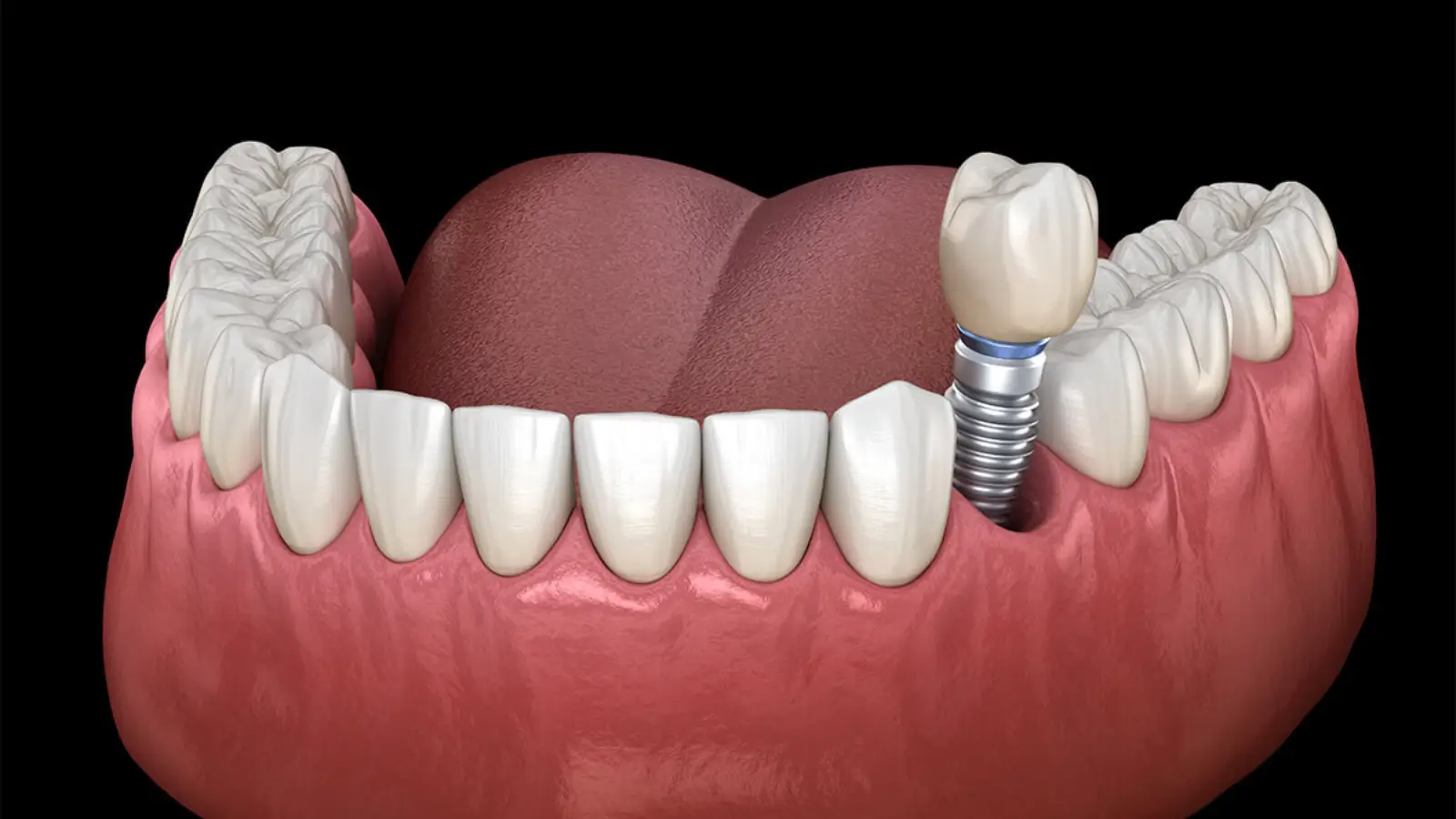
Losing a tooth feels like a plot twist in your perfect smile story. Suddenly, dental implant construction becomes your next big decision.
It is to be stated that not all dental implants are created equal, especially when it comes to materials. Strong smiles start with strong materials, and that’s no exaggeration.
Dental implant construction uses science and art to rebuild confidence and chewing power. You must choose right, and your implants can last a lifetime. If you choose wrong, complications may arise unexpectedly.
Keep in mind that dental implant design isn't surgery. It's clever material science in action.
Titanium dominates dental implant design because of its biocompatibility and strength. This metal fuses perfectly with bone, a phenomenon called osseointegration. Its lightweight makes it stress-free on the jaw while providing unmatched toughness.
It has a low risk of rejection, a long lifespan, and tried-and-true performance. However, there is a potential for metal sensitivity, which could be visible through thin gums on front teeth. Nevertheless, titanium is still the gold standard for dental implant construction.
Zirconia is a newer, metal-free alternative to dental implant construction. It's white, which makes it an excellent choice for visible teeth. Unlike titanium, zirconia resists bacterial accumulation and corrosion.
These dental implants Oklahoma City are suitable for metal allergy patients and provide excellent aesthetics. However, they have less long-term research and are more prone to brittleness when under pressure. Zirconia keeps on gaining popularity in contemporary dental implant construction.
Titanium alloys combine pure titanium with a bit of aluminum or vanadium. This significantly enhances mechanical strength and resistance to corrosion. Dentists use them where added strength is desired, such as molars or bruxism patients. Titanium alloys continue to facilitate successful osseointegration in dental implant design.
Polymers and composite resins are being investigated for future dental implant construction. Though not yet in everyday use, these materials may significantly provide cost-efficient and aesthetic solutions. Hydroxyapatite and plasma-sprayed titanium coatings remarkably enhance bonding and healing. Surface treatments also decrease bacterial adhesion and further enhance the success of dental implants.
Every case of dental implant design is individualized. Personalized choices are important. Metal allergies, bone quality, and aesthetic considerations all affect material selection. Low bone density patients can require lighter or surface-treated implants. Aesthetics are more important for front teeth. For that, zirconia is a good option.
Because of chewing forces, back teeth require stronger materials such as titanium or its alloys. Finally, your dentist's experience dictates the proper material for your dental implant construction. They evaluate your budget, long-term objectives, and oral health before suggesting the most suitable solution.
You must select wisely. It will guarantee comfort, function, and confidence for decades to come. Dental implants thrive when material meets personal need and professional advice. You must leave your smile to a tailored method of ensuring it lasts a lifetime.
Talk to our dentist if you want to get dental implants. Our professionals will help you get the best material as per your needs and dental condition.