

Oral cancer is a serious health concern that affects thousands of individuals worldwide. It is characterized by the uncontrolled growth of abnormal cells in the mouth, lips, tongue, or throat. Early detection of oral cancer is crucial as it significantly improves the chances of successful treatment and survival rates. Regular screenings play a vital role in identifying potential issues, and this article will explore the importance of oral cancer screening, different screening methods, self-examination techniques, prevention, and more.
Several risk factors increase the likelihood of developing oral cancer, including tobacco use, excessive alcohol consumption, HPV infection, and prolonged sun exposure. Being aware of the common symptoms and signs is essential for early detection. These may include persistent mouth sores, red or white patches, difficulty swallowing, and unexplained bleeding.
Oral cancer screenings encompass various methods that help in identifying abnormalities. Visual and physical examinations conducted by dental professionals are common procedures. Additionally, brush biopsies, oral cytology, salivary tests, and fluorescence visualization are utilized for more comprehensive evaluations.
Regular screenings are essential for everyone, regardless of age, as oral cancer can affect individuals of all demographics. However, specific recommendations may vary based on age groups and risk factors. High-risk individuals, such as heavy smokers and those with a family history of oral cancer, may need more frequent screenings.
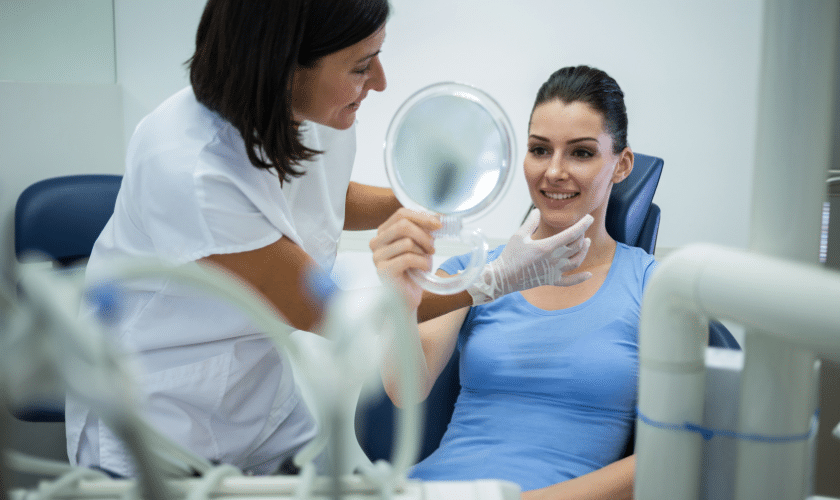
Dentists play a crucial role in oral cancer screening during routine dental check-ups. Besides checking for oral cancer, dentists examine your overall oral health, perform dental cleanings, and provide guidance on maintaining good oral hygiene. Regular visits to the dentist can help catch potential issues early on.
Conducting self-examinations at home can complement professional screenings. By regularly inspecting your mouth and throat, you become more familiar with any changes or abnormalities. If you notice any persistent or concerning symptoms, it's essential to consult a healthcare professional promptly.
While regular screenings are vital, prevention is equally important. Adopting a healthy lifestyle, including quitting tobacco, reducing alcohol consumption, and eating a balanced diet, can significantly reduce the risk of developing oral cancer.
The impact of early detection cannot be overstated. Countless individuals have had successful treatment and recovery from oral cancer because their condition was diagnosed early. These survivors' stories underscore the importance of timely screenings and the potential life-saving benefits they offer.
Advancements in technology are continuously improving the field of oral cancer screening. Researchers are exploring innovative methods, such as molecular testing and artificial intelligence, to enhance early detection rates.
Dental anxiety can be a barrier to regular screenings. Dental professionals can take steps to create a comfortable and supportive environment, helping patients feel at ease during the screening process.
Oral cancer screening is a fundamental aspect of preventive healthcare. Detecting oral cancer early can significantly improve treatment outcomes and save lives. By staying informed, raising awareness, and participating in regular screenings, we can collectively work towards a healthier and safer future.