

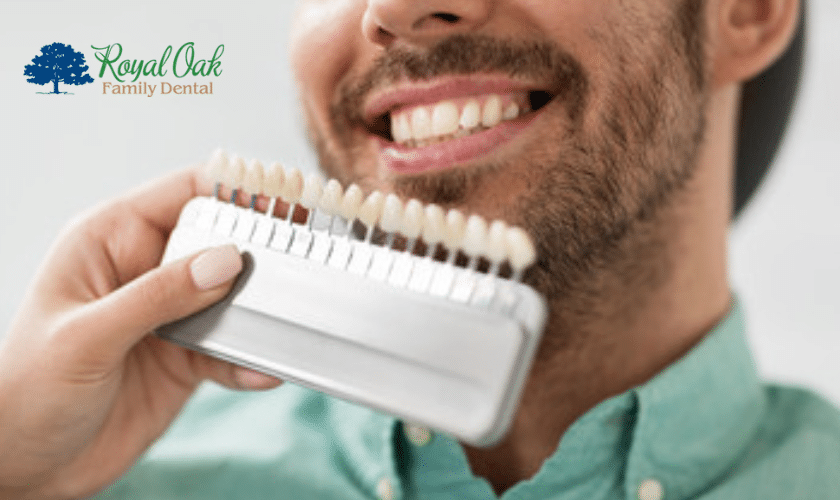
A beautiful smile is a powerful tool that can boost your confidence and leave a lasting impression. Veneers are an excellent option to enhance the appearance of your teeth, but just like any other dental treatment, they have a lifespan. Knowing when it's time for new veneers can be tricky, but don't worry! In this blog post, we'll walk you through the five most frequent causes that indicate it's time for a replacement. So sit back, relax, and let us guide you on how to keep your smile shining bright!
If your teeth are discolored, chipped, or have gaps between them, you may be considering veneers. Veneers are thin pieces of porcelain that are custom-made to fit over the front surface of your teeth. They can be used to improve the appearance of your smile and help protect your teeth from further damage.
Veneers are an ideal solution for many people who want to improve the appearance of their smile. However, they are not right for everyone. Before you decide to get porcelain veneer treatment, it is important to consult with a dentist to see if they are right for you.
There are a few different things that can cause damage to your veneers. The most common causes are:
If you have ever woken up with a headache or sore jaw, you may be grinding your teeth at night. Teeth grinding (bruxism) is a common problem that often goes unnoticed until it causes damage to the teeth.
Most people who grind their teeth do so during sleep. However, some people may grind their teeth during the day. bruxism can be caused by stress or anxiety, misaligned teeth, an abnormal bite, or gum disease. Teeth grinding can also be a side effect of certain medications.
Teeth grinding can cause damage to the teeth and lead to tooth decay or gum disease. It can also cause headaches, jaw pain, and earache. If you think you may be grinding your teeth, see your dentist for an evaluation.
The most common cause of damage to veneers is an accident or trauma. Veneers are very strong, but they can be chipped or broken if you have a fall or an accident. If you play contact sports, you may also be at risk of damaging your veneers. It's important to see your dentist right away if you have any kind of accident that causes damage to your veneers.
Poor oral hygiene can cause your veneers to become stained and discolored. If you don't brush and floss regularly, plaque and tartar can build up on your teeth, which can lead to tooth decay and gum disease. Gum disease can cause your gums to recede, exposing the roots of your teeth. This can make your teeth look longer than they actually are.
If you have poor oral hygiene, it's important to see a dentist regularly so that they can monitor the condition of your teeth and gums. They may recommend that you get your veneers replaced more frequently than if you had good oral hygiene.
If your veneers are starting to show discoloration or staining, it might be time for new ones. The most common causes of this are:
Poor oral hygiene: If you don't brush and floss regularly, plaque and bacteria can build up on your teeth and cause them to become stained.
Eating certain foods and drinks: Foods and beverages like coffee, tea, red wine, and dark-colored fruits can stain your teeth over time.
Smoking: Smoking is one of the leading causes of tooth discoloration. The tar and nicotine in cigarettes can yellow and stain your teeth.
Age: As you get older, your teeth naturally become more yellowed and stained. This is due to the wear and tear of everyday use as well as the loss of enamel that occurs with age.
Medications: Certain medications can cause tooth discoloration as a side effect. For example, tetracycline antibiotics can cause permanent yellowing or staining of the teeth if taken during development (between ages 8-12).
Over time, the enamel on your teeth can start to wear down. This can be caused by a number of things, including:
-Brushing your teeth too hard
-Eating acidic foods and drinks
-Grinding your teeth
-Using tobacco products
Veneers are made to protect your teeth from further damage, so if you start to notice that your veneers are wearing down, it's probably time to get new ones.
While veneers are designed to be a long-lasting solution for cosmetic dental concerns, there are several signs that indicate it may be time for new veneers. The most common reasons for needing new veneers include:
1. Your veneers are discolored or stained
2. You have cracks or chips in your veneers
3. Your gums have started to recede, exposing more of your tooth beneath the veneer
4. Your veneers no longer fit properly due to changes in your teeth or jawbone
When it comes to your teeth, it’s important to be proactive and see your dentist regularly for checkups and cleanings. However, there are also times when you may need to see your dentist for a specific reason, such as getting new veneers.
If you’re unsure whether or not you need new veneers, it’s always best to consult with your dentist. They will be able to examine your mouth and give you their professional opinion on whether or not you need to get new veneers.
A: The most common sign that your veneers are beginning to wear down is a change in the color of the teeth. Veneers are made to match the natural color of your teeth, so if you notice that your teeth are starting to look darker or yellow, it's likely that the veneers are beginning to wear away.
Another common sign of wearing veneers is a change in the fit. If your veneers feel loose or they don't fit as snugly as they used to, it's a sign that they're beginning to wear away and will need to be replaced soon.A: There are a few different reasons why your veneers might keep breaking. One possibility is that the bonding material used to attach the veneer to your tooth isn't strong enough. This can happen if the original bonding material wasn't applied correctly or if it's begun to break down over time.
Another possibility is that you're biting or chewing on hard objects more often than you should. This can cause the veneer itself to crack or break apart. If you think this might be the case, try avoiding hard foods and objects for a while and see if the problem improves.A: Veneers typically last for 10 to 15 years with proper care. However, they may need to be replaced sooner if they become damaged or stained.