

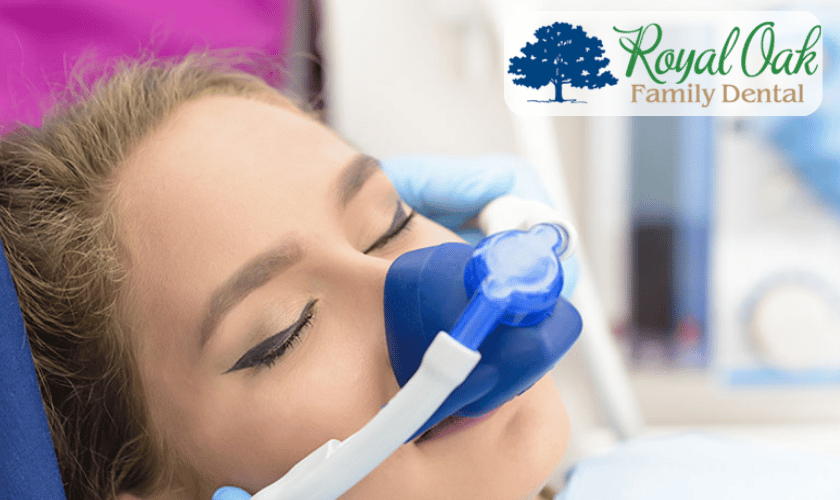
If you have trouble staying calm while at the dentist’s office, sedation dentistry could be a good option for you. Sedation dentistry is the use of sedative drugs to help patients relax during their dental appointments, making it easier and less stressful for them to receive dental care. Whether you are afraid of needles, have sensitive teeth or struggle with anxiety, sedation dentistry can make it possible for you to receive the care you need while staying comfortable. There are several different types of sedation dentistry available that vary in intensity, so depending on your needs and preferences as a patient, you can choose the type that’s right for you.
1. Light Sedation
2. Moderate Sedation
3. Deep Sedation
4. General Anesthesia
5. Light Sedation
Also known as minimal sedation, light sedation is the least intense type of sedation available. While receiving this level of sedation, you remain conscious but relaxed throughout your procedure. Light sedation usually comes in the form of pills or liquid medications that make you drowsy and less aware of what’s going on around you. This type of sedation dentistry can help patients who are anxious or uncomfortable while at the dentist but do not necessarily need to be unconscious during their appointment.
The type of sedative used for light sedation depends on the patient’s age, weight and severity of anxiety. Common sedatives used during this level of sedation include midazolam, triazolam, diazepam and nitrous oxide (also known as laughing gas). All sedatives have side effects that vary depending on the type and dosage given, so it is important to discuss these with your doctor prior to your dental appointment.
One advantage of light sedation is that you remain conscious throughout the procedure but relaxed enough not to feel anxious or uncomfortable. This type of sedation also wears off quickly after the procedure is completed so that you can resume your normal activities soon after. The sedative used may also cause some side effects, such as drowsiness and dizziness, but these usually disappear within a few hours of the procedure being completed.
Light sedation is ideal for those who possess mild to moderate dental anxiety or fear of needles. It is also beneficial for patients who need multiple procedures and would benefit from only needing to be sedated once instead of multiple times. Candidates should be in good physical health before considering light sedation, as it does carry risks that could be harmful if not monitored properly by medical professionals.
Moderate sedation is more intense than light sedation but still allows the patient to remain conscious. This type of sedation is usually administered in the form of an injection or intravenous (IV) medication that causes drowsiness. Depending on the dose given, patients may be able to respond to commands and answer questions during their appointment but will likely not remember much about what happened afterwards.
Moderate sedation is typically induced by IV drugs such as midazolam, propofol, and ketamine. The sedative used will depend on the patient’s age, weight and severity of anxiety. As with light sedation, discussing any potential side effects of the sedative with your doctor before beginning a dental procedure is important.
The main advantage of moderate sedation is that patients can remain conscious while receiving treatment but may not remember much about their appointment afterwards. Also, since sedatives are administered intravenously, they take effect immediately and wear off quickly afterwards. However, this type of sedation carries more risks than light sedation due to the intensity of the drugs being used.
Candidates for moderate sedation should possess mild to severe dental anxiety or phobia of needles. It is also beneficial for patients who need multiple procedures and would benefit from only needing to be sedated once instead of multiple times. Candidates must also be in good physical health before considering sedation at this level, as it does carry risks that could be harmful if not monitored properly by medical professionals.
Deep sedation (also known as general anaesthesia) is the most intense type of sedation available and causes patients to become unconscious for the duration of their procedure. This type of sedation is typically administered through an IV and requires the presence of a trained anesthesiologist to monitor the patient’s vitals during the sedation.
General anaesthesia is typically induced by IV drugs such as propofol, fentanyl, and midazolam. The sedative used will depend on the patient’s age, weight and severity of anxiety. As with other sedation techniques, discussing any potential side effects of the sedative with your doctor before beginning a dental procedure is important.
The main advantage of general anaesthesia is that it allows patients to be completely sedated during the procedure and not remember anything about their appointment afterwards. Also, since sedatives are administered intravenously, they take effect immediately and wear off quickly afterwards. However, this type of sedation carries more risks than light or moderate sedation due to the intensity of the drugs being used.
Candidates for general anaesthesia should possess severe dental anxiety or a phobia of needles. It is also beneficial for patients who need multiple procedures and would benefit from only needing to be sedated once instead of multiple times. Candidates must also be in good physical health before considering sedation at this level, as it does carry risks that could be harmful if not monitored properly by medical professionals.
Sedation dentistry is a safe and effective way to reduce anxiety in patients who are undergoing dental procedures. Three different types of sedation are available: light sedation, moderate sedation, and deep sedation/general anaesthesia. Each type has its advantages and disadvantages and specific qualifications for being a good candidate for the procedure. It is important to discuss any potential side effects of sedatives with your doctor prior to beginning a dental procedure.
Answer: The type of sedative used will depend on the patient’s age, weight and severity of anxiety. Light sedation typically involves nitrous oxide or oral sedatives, while moderate sedation often includes benzodiazepines or narcotics. For general anaesthesia, medications such as propofol, fentanyl, and midazolam are usually administered intravenously.
Answer: Yes, sedation dentistry is a safe and effective way to reduce anxiety during dental procedures when performed by trained medical professionals.
Answer: The type of sedation that is best for you will depend on your individual needs as well as your medical history. It is important to discuss all sedation options with your doctor prior to beginning a procedure.