

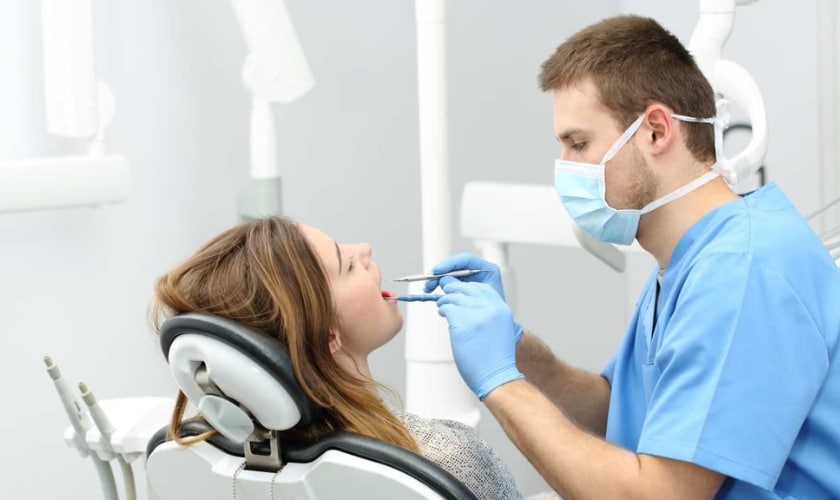
When it comes to oral health, it's more than just a dazzling smile; it's an integral aspect of overall well-being. Unfortunately, a plethora of myths surrounding Dental health leads to confusion and potentially harmful practices. In this comprehensive exploration, we'll unravel common misconceptions about dental health, backed by evidence-based insights, and offer practical tips for maintaining optimal oral hygiene.
Myth #1: Sugar Is the Sole Cause of Tooth Decay
While sugar indeed contributes to tooth decay, it's not the sole culprit. The frequency and duration of sugar exposure play pivotal roles in Dental health. Bacteria in our mouths feed on sugar, producing acid that can erode tooth enamel and lead to cavities. However, poor oral hygiene, acidic foods, and dry mouth also contribute to tooth decay. Therefore, a balanced diet, limited sugary snacks and beverages, and consistent oral hygiene practices are crucial for oral health.
Myth #2: Flossing Isn't Necessary If You Brush Thoroughly
Contrary to popular belief, brushing alone isn't sufficient for optimal oral hygiene. While brushing removes surface debris, it fails to reach interdental spaces where bacteria thrive. Flossing is essential for removing plaque and food particles from these areas, preventing gum disease and tooth decay. Integrating daily flossing into your oral care routine is indispensable for maintaining healthy gums and preventing Dental health issues.
Myth #3: Oral Health Only Affects the Mouth
Many believe that oral health exclusively impacts the mouth, but its implications extend far beyond. Poor Dental health has been linked to systemic conditions such as cardiovascular disease, diabetes, respiratory infections, and pregnancy complications. The mouth serves as a gateway to the body, and bacteria and inflammation can spread, contributing to systemic health problems. Thus, Dental health is integral to overall well-being, not just a beautiful smile.
Myth #4: Dental Check-ups Are Unnecessary If Your Teeth Appear Fine
Regular dental check-ups are paramount for optimal dental health, even if no visible issues are present. During check-ups, dentists examine teeth, gums, and the mouth for signs of decay, gum disease, oral cancer, and other concerns. Early detection and treatment of dental problems prevent escalation and ensure lasting Dental health. Additionally, Oklahoma City dentists offer valuable guidance on oral hygiene practices, diet, and lifestyle habits conducive to better oral health.
Myth #5: Baby Teeth Are Inconsequential
Contrary to popular belief, baby teeth, or primary teeth, play pivotal roles in a child's development and Dental health. They aid in proper chewing, speech development, and alignment of permanent teeth. Premature loss of baby teeth due to decay or injury can lead to speech issues, nutritional deficiencies, and misalignment of permanent teeth. Therefore, instilling good oral hygiene habits and scheduling regular dental check-ups for children is vital for maintaining their dental health.
Dispelling common myths surrounding dental health is paramount for fostering better oral hygiene practices and preventing dental issues. Understanding the truth behind these misconceptions and adopting evidence-based oral care habits are fundamental for optimal Dental health and a lifetime of healthy smiles.
Remember, prioritizing proper oral hygiene, including brushing, flossing, and regular dental check-ups, is key to preserving oral health and overall well-being. Don't let misconceptions dictate your oral hygiene routine; embrace the truth and prioritize your Dental health for a lifetime of smiles.