

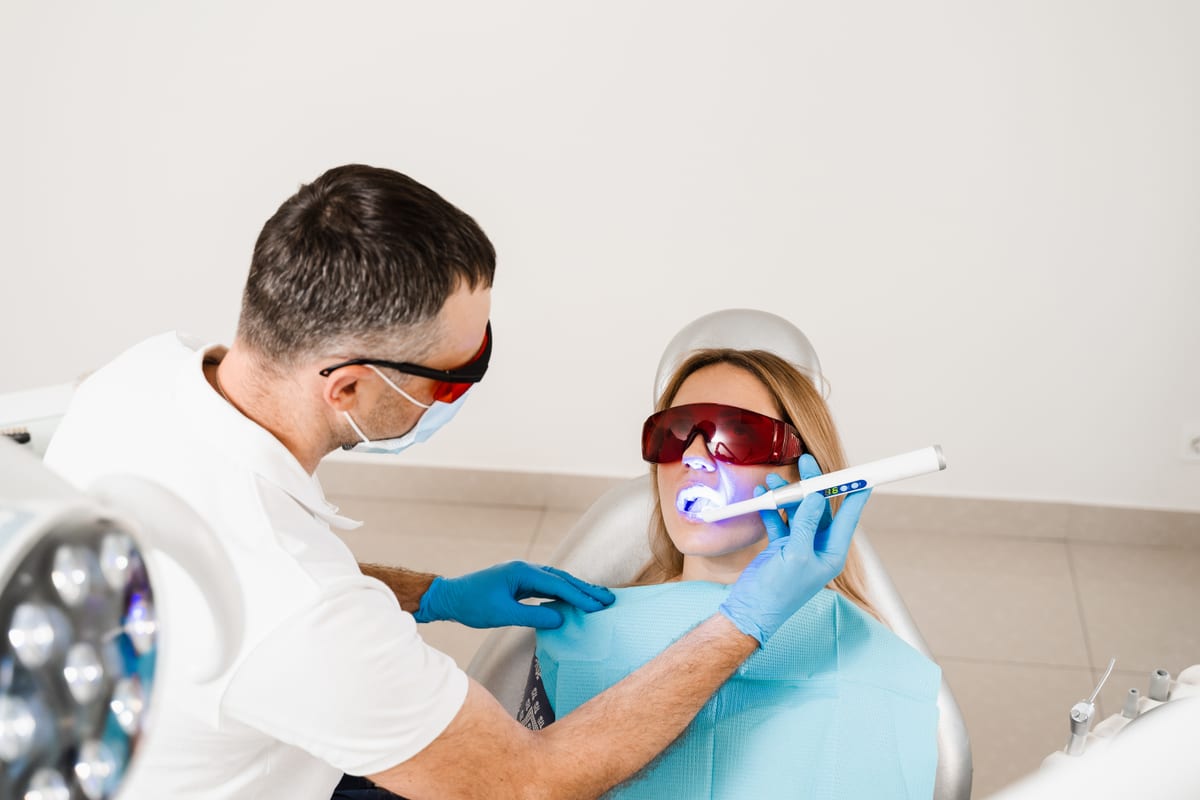
Teeth whitening is one of the most popular cosmetic treatments available today. Many patients in Oklahoma City love the results — but some dread the sensitivity that can follow. Understanding why teeth whitening sensitivity happens and how to prevent it in Oklahoma City is the first step toward a more comfortable experience. At Royal Oak Family Dental of Oklahoma City, Dr. Kandar helps patients brighten their smiles without unnecessary discomfort.
Whitening products use peroxide-based compounds to remove stains from enamel. These compounds temporarily open tiny pores in your enamel called dentinal tubules. Once open, these channels expose the sensitive inner layer of your tooth, called dentin. When temperature or air reaches dentin, you feel that sharp, uncomfortable zing.
The concentration of the whitening agent matters a great deal. Higher peroxide concentrations whiten faster but cause more sensitivity. Over-the-counter strips often use lower concentrations, but improper use still leads to discomfort. Professional whitening treatments are carefully dosed to balance effectiveness and comfort.
Existing dental conditions also raise your sensitivity risk. Cracked teeth, worn enamel, or exposed roots all create faster pathways to dentin. Patients with untreated cavities may experience significant pain during whitening. This is why Dr. Kandar recommends a thorough exam before any whitening treatment.
Prevention starts well before the whitening session begins. Switching to a sensitivity toothpaste two weeks before treatment can significantly reduce discomfort. These toothpastes contain potassium nitrate or stannous fluoride, which calm nerve endings inside the tooth. Consistent daily use builds a protective barrier over time.
During your professional whitening appointment, Dr. Kandar takes several precautions to protect you. A professional-grade desensitizing gel is often applied to teeth before or after treatment. Custom-fitted trays used in office whitening prevent gel from touching your gums. This precise fit reduces irritation and unwanted chemical exposure.
Here are practical steps you can take before your whitening session:
Spacing out your whitening sessions also helps. Whitening too frequently does not allow enamel to recover. Dr. Kandar creates a personalized treatment schedule so your teeth stay healthy throughout the process.
Post-whitening sensitivity usually peaks within 24 to 48 hours after treatment. The good news is that it typically fades quickly on its own. There are several simple steps you can take to stay comfortable during this window. Being prepared makes recovery much smoother.
Avoid extremely hot or cold foods and beverages right after whitening. Your enamel pores remain temporarily open, making temperature changes more painful. Room-temperature water is a safe choice during this period. Acidic foods like citrus and soda can also worsen irritation, so skip them for a day or two.
Over-the-counter pain relievers like ibuprofen can ease post-whitening discomfort. Apply a small amount of sensitivity toothpaste directly to sore teeth as a paste, not just during brushing. Some patients also find relief using a soft-bristled toothbrush with very gentle pressure. These small adjustments add up to a much more comfortable recovery.
If you have dental anxiety, it may help to know that sedation options are available at Royal Oak Family Dental. Laughing Gas Oklahoma City patients use this gentle option to stay relaxed during any dental procedure, including whitening consultations and preparatory visits.
Many patients try whitening strips or trays from the drugstore before visiting a dentist. These products are widely available and relatively affordable. However, they carry real risks when used incorrectly. Sensitivity from store-bought products is often more unpredictable than from professional treatment.
Professional whitening at Royal Oak Family Dental offers several advantages over at-home options:
Before any whitening treatment, your oral health should be in good condition. Untreated decay or damaged enamel must be addressed first. Sometimes, patients need restorative work like Composite Fillings Oklahoma City residents rely on to repair minor decay before whitening safely. Treating these issues first makes whitening both safer and more effective.
Dr. Kandar will also discuss realistic expectations with you during your consultation. Whitening works best on natural tooth enamel. Crowns, veneers, and bonding do not respond to bleaching agents. Knowing this upfront helps you plan a complete smile transformation with the right combination of treatments.
Teeth whitening sensitivity does not have to stop you from achieving the smile you want. With the right preparation, professional guidance, and aftercare, most patients enjoy excellent results with minimal discomfort. Dr. Kandar and the team at Royal Oak Family Dental of Oklahoma City are committed to making your whitening experience safe and effective. You deserve a bright smile that feels just as good as it looks.
If you are ready to explore whitening options tailored to your sensitivity needs, we are here to help. Book Now to schedule your appointment with our team.
No, teeth whitening sensitivity is almost always temporary. Most patients notice discomfort for 24 to 48 hours after treatment, and it fades on its own. If sensitivity lasts longer than a week, contact your dentist to rule out underlying dental issues.
Yes, but you should consult Dr. Kandar first. Patients with existing sensitivity can still whiten safely with the right precautions. Lower-concentration whitening agents, desensitizing treatments, and a customized schedule make whitening manageable even for sensitive patients.
Not necessarily. Professional whitening uses higher concentrations, but dentists apply safeguards like desensitizing gels and custom trays. Store-bought strips can cause sensitivity too, especially when overused or applied incorrectly. Professional supervision generally leads to a more controlled and comfortable experience.
Most dentists recommend waiting at least four to six weeks between whitening treatments. This gives your enamel time to remineralize and recover. Dr. Kandar will help you create a schedule based on your specific sensitivity level and whitening goals.
Avoid hot, cold, and acidic foods for at least 24 to 48 hours after whitening. This includes coffee, tea, citrus fruits, soda, and very cold ice cream. Stick to mild, room-temperature foods and beverages while your enamel pores close and sensitivity settles down.