Are you one of the many people who have opted for dental sealants to protect your teeth from decay? Dental sealants are a great preventative measure, but it's important to know how to take care of them properly. After all, they won't last forever if you don't give them the TLC they need! In this blog post, we'll go over four essential aftercare tips that will help keep your dental sealants strong and healthy. Whether you're new to having sealants or just need a refresher on best practices, read on for some valuable advice!
What Are Dental Sealants?
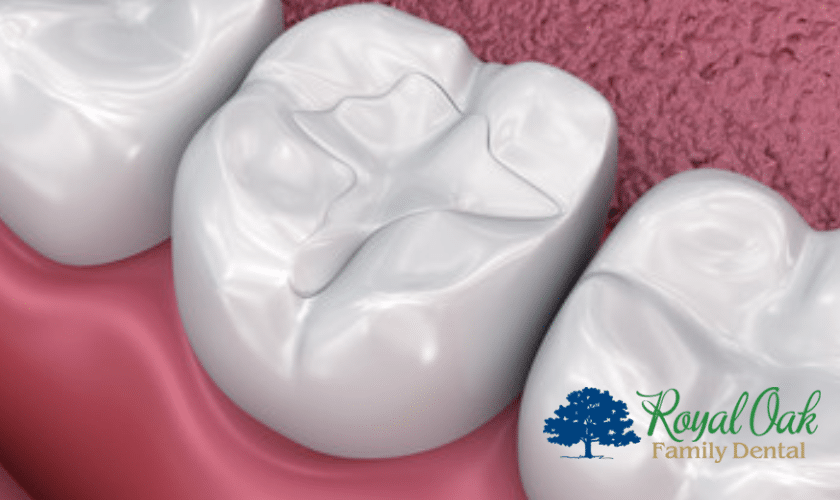
Dental sealants are a preventive measure that can help protect teeth from decay. They are thin, plastic coatings that are applied to the chewing surfaces of molars and premolars, where tooth decay is most likely to occur. Dental sealants act as a barrier between the teeth and harmful bacteria and food particles.
The application process for dental sealants is quick and painless. The dentist or dental hygienist will clean the targeted area before applying an acid solution to roughen up the surface of the tooth. This helps ensure better adhesion for the sealant material. After rinsing off the acid solution and drying the tooth, they apply liquid sealant material onto it.
Once applied, dental sealants harden into a durable plastic coating that can last up to 10 years with proper care. Sealants do not replace good oral hygiene practices such as brushing twice daily and flossing regularly but serve as a protective addition in preventing cavities.
Dental sealant treatments are an effective way to prevent tooth decay in children's permanent teeth but also adults who have deep grooves on their back teeth are susceptible to cavities regardless of age.
The Importance Of Aftercare
Aftercare is a crucial aspect of maintaining the strength and longevity of dental sealants. Once you have undergone the procedure, it's important to keep in mind that sealants require proper aftercare for them to be effective.
One reason why aftercare is so important is that it helps prevent damage or dislodging of the dental sealant. Proper care can also ensure that bacteria and food particles are kept at bay, preventing further decay or cavities from forming. Neglecting aftercare procedures can lead to costly repairs down the line.
Another benefit of good aftercare practices includes keeping your teeth healthy and strong overall. Dental sealants work best when combined with regular brushing, flossing, and visits to your dentist for cleanings.
Taking care of your dental sealants through proper maintenance methods allows you to reap their full benefits while minimizing any potential risks associated with improper use or neglect.
Essential Aftercare Tips
After getting dental sealants, it's important to take care of them properly. This will ensure that they last as long as possible and protect your teeth from decay. Here are four essential aftercare tips for maintaining strong and healthy dental sealants.
Firstly, avoid eating hard or sticky foods for the first 24 hours after getting your sealants applied. These types of foods can damage the sealant material and cause it to wear away faster.
Secondly,
practice good oral hygiene by brushing twice a day with fluoride toothpaste and flossing daily. This will help prevent plaque buildup on the surface of the sealant and reduce your risk of developing cavities around it.
Thirdly, visit your dentist regularly for checkups and cleanings. Your dentist can monitor the condition of your dental sealants over time and determine if any need to be replaced or repaired.
If you notice any chips or cracks in your dental sealants, make an appointment with your dentist right away. Damaged sealants can allow bacteria to enter underneath them and lead to tooth decay.
By following these four essential aftercare tips, you can keep your dental sealants strong and healthy for years to come!
How To Know If Your Sealants Need To Be Replaced
After a while, dental sealants will begin to wear down and may need to be replaced. But how can you know when it’s time for a replacement? There are several things you should keep an eye on.
Firstly, if your sealant looks chipped or cracked, it's likely that the protection is compromised. You might also notice small holes in the material – this could indicate that the sealant has come loose from your tooth and needs to be repaired or replaced.
Another sign of damage is discoloration. If you see any yellowing or staining along the edges of your teeth where the sealant was applied, it could mean decay has formed beneath the surface.
Pay attention to any changes in
sensitivity or pain around sealed teeth; these symptoms may suggest a problem with your sealant and require professional intervention.
It's important to note that regular check-ups with your dentist are crucial for identifying problems early on. Your dentist can examine all areas of your mouth during routine cleanings and help guide you towards proper aftercare techniques as well as determine if new applications are necessary.
Bottom Line
Dental sealants are an excellent way to prevent tooth decay and maintain oral health. However, proper aftercare is crucial to keeping them strong and healthy. By following the essential aftercare tips mentioned in this article, you can ensure that your dental sealants last longer and protect your teeth better.
Regular visits to the dentist can also help detect any issues with the sealants early on so they can be addressed promptly. Remember that dental sealants are not a substitute for good oral hygiene practices such as brushing twice daily, flossing regularly, and eating a balanced diet.
Always consult your dentist if you have any concerns about your dental health or need advice on maintaining your dental sealants. With proper care and attention, you can enjoy years of optimal oral health with dental sealants.